
Bellevue, WA · King County
Sewage Backup Cleanup
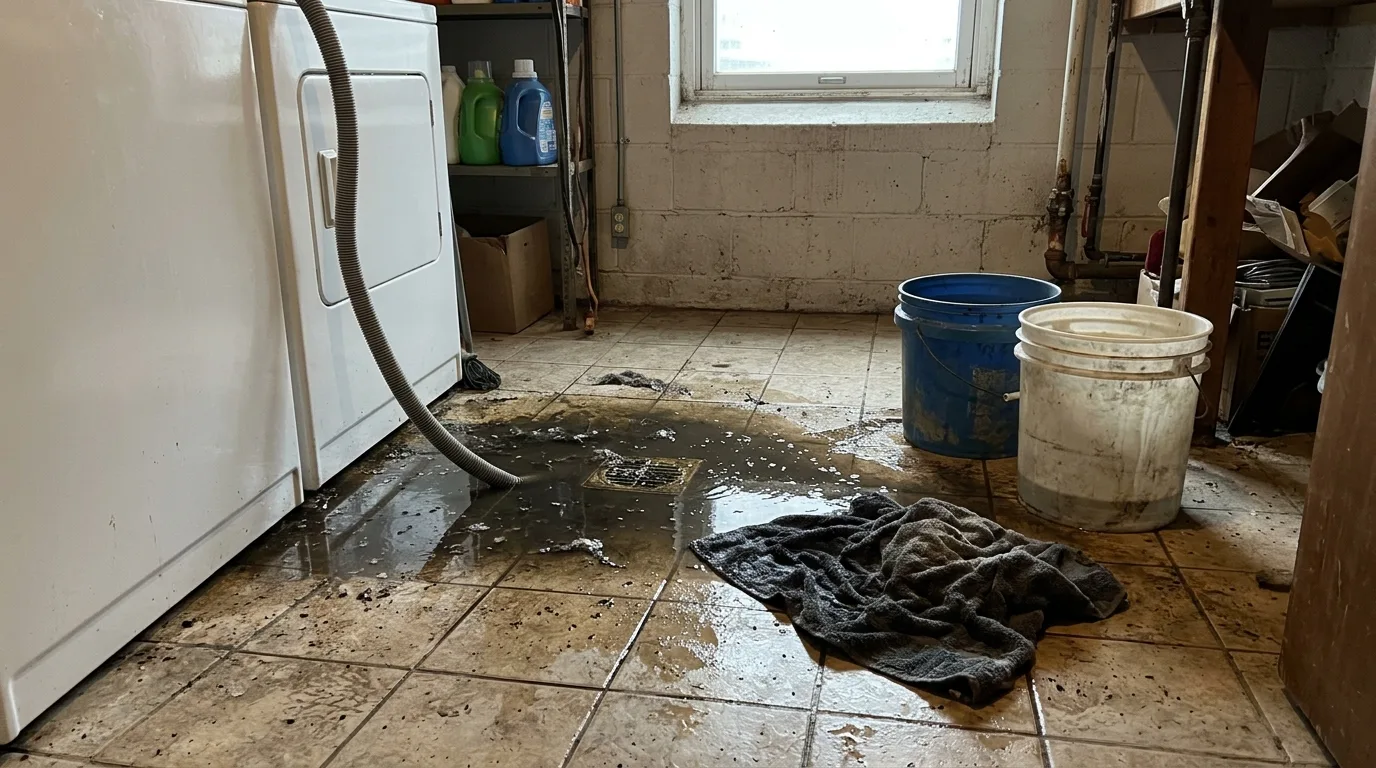
Dirty water coming up through a floor drain, tub or toilet? Stop using water in the house and keep everyone out of that area. Then call (425) 307-0286 to reach a local restoration company. That company removes the sewage, cleans and disinfects, dries the house and records the damage for your insurance company.
Call (425) 307-0286.
What is a sewage backup?
A sewage backup is wastewater from a drain, toilet or sewer line that flows back up into the house. It is Category 3 water, the most contaminated category.
Because it can carry germs, this backup needs cleaning and disinfecting, not just drying, and it should be treated as urgent.
Sewage backing up? What do I do right now?
Stop putting water down the drains first. Every flush, shower or load of laundry can push more sewage out of the lowest drain in the house.
- Stop using water. Don’t flush toilets, run the dishwasher or washer, or take showers until the line is cleared.
- Keep people and pets away. Keep children and pets away from the affected area until cleanup is done (CDC, 2026).
- Stay clear of electricity. Don’t walk through water near outlets, cords or appliances. If sewage reaches the breaker panel, keep away and call an electrician.
- Don’t touch it bare-handed. If you must go in, wear rubber boots, rubber gloves and goggles (CDC, 2026). Wash with soap and water when you come out.
- Take photos before anything moves. Get wide shots of each room, the drain it came from and the water line on walls or cabinets.
- Call (425) 307-0286. Tell the company which drain backed up, roughly how long it ran and which rooms are wet.
A plumber clears the blockage or repairs the line. A restoration company cleans up the house. You often need both, and the line should be cleared before cleanup starts.
Sewage at night? Stop using water, close the door to the room and call (425) 307-0286. Don’t start pulling up carpet yourself.
Why are sewage backups dangerous?
Sewage is Category 3 water, the most contaminated category in the restoration industry’s water damage standard (ANSI/IICRC S500). It can carry bacteria and viruses that make people sick. That’s why it needs cleaning and disinfecting, not just drying. More on how water is graded: water damage categories and classes.
Sewage counts as Category 3 no matter how much there is or how it looks. Under the S500 standard, a backup from a waste line beyond the trap is Category 3 even when the water looks clear (IICRC S500, as summarized by Accuserve).
Health risk is the main reason to stay out. Indoor air quality matters too. Wet, dirty materials can grow mold and keep a sewage odor in the house. The EPA advises drying wet materials within 24 to 48 hours to prevent mold growth.
People who are older, pregnant, very young or have weak immune systems should stay out of the affected area during cleanup. They may want to stay elsewhere if it can’t be closed off (NYC Emergency Management). Ask your doctor if you have health concerns.
Is it safe to clean up a sewage backup yourself?
A small toilet overflow on a hard floor, caught right away, you can usually clean yourself. A sewer backup that soaked carpet, drywall or cabinets needs a professional crew.
You can usually handle it yourself when all three of these are true.
- The water came from the toilet bowl, not from a drain backing up.
- It stayed on tile, vinyl or another hard surface.
- You cleaned it within minutes.
For that kind of spill, the CDC advises wearing rubber boots, gloves and goggles, then washing up with soap and water when you’re done. Clean hard surfaces with soap and water, then disinfect. Never mix bleach with ammonia or other cleaners.
Call a pro when sewage reached carpet, pad, drywall, insulation or wood. The CDC says to throw away drywall and insulation contaminated with sewage, and anything you can’t clean or dry quickly (CDC, 2026). A restoration crew has the gear to remove those materials without spreading contamination.
My toilet overflowed onto vinyl and we wiped it right away. Do we need to pull up the floor?
Maybe not. Toilet-bowl water with urine but no feces is usually Category 2. If feces spilled out, it’s often treated as Category 3 (IICRC S500, as summarized by Accuserve). The bigger question is whether water ran under the vinyl, the baseboards or the toilet base.
Ask for a moisture check before deciding. A moisture meter can show water under the floor that you can’t see. If the readings are dry, the floor can often stay. If water got underneath, that section usually comes up so the subfloor can be cleaned and dried.
Sewage backed up into my tub. How do I clean it?
Stop using water first, because the tub is often the lowest drain. A tub backup usually means the main drain line is blocked, so call a plumber to clear it.
If the sewage stayed inside the tub, you can usually clean the tub yourself with gloves, soap and water, then a disinfectant. If it overflowed onto the floor, or came up in more than one drain, call (425) 307-0286.
Can clean water become gray or black water over time?
Yes. Water damage doesn’t stay in one category. Category 2 water can become Category 3 the longer it sits, especially in warm conditions (IICRC S500, as summarized by NADCA).
Clean water can also get dirty as it moves. A supply-line leak that runs through a wall cavity, insulation or a crawl space can pick up contaminants on the way. That’s why a good company asks where the water came from and what it touched before choosing what to save. More on this is on our water extraction and drying page.
What does a proper sewage cleanup include?
the cleanup adds cleaning, disinfecting and safety steps to normal drying. The steps a Category 3 job should include:
- Protective gear. Protective gear for the crew. Expect boots, gloves, eye protection and often disposable suits.
- Containment. Plastic sheeting (a poly barrier) seals the dirty area off from the rest of the house.
- Air filtering. Air scrubbers with HEPA filters clean the air and can keep it flowing out of the work area (negative air). That helps keep dust and germs out of clean rooms.
- Removing what can’t be cleaned. Carpet and pad soaked by sewage are thrown out. So are wet drywall and insulation, cut above the water line.
- Cleaning and disinfecting. Hard surfaces and wall framing are cleaned first, then treated with a disinfectant or antimicrobial product.
- Drying. Dehumidifiers and fans (air movers) run until moisture readings show the materials are dry. See how long drying takes.
- Odor removal. Odor goes away once the dirty materials are out and everything is clean and dry. Masking sprays don’t fix it.
- A check before rebuild. Ask how the company will confirm the area is clean before new walls go up. Some companies bring in an independent indoor environmental professional (IEP) to test it (Accuserve).
Ask for dated photos, daily moisture readings and a list of everything removed. You and your adjuster will both want them. How we work explains the documentation to expect.
Sewage on carpet or drywall? Call (425) 307-0286. Cleanup should start once the line is cleared.
How much does sewage cleanup cost?
Sewage costs more than clean-water drying.
The total depends on how far the sewage spread and what has to be thrown out. Cleaning, disinfecting, containment and air scrubbers add to that. See water damage restoration cost for the full breakdown and how equipment is billed.
Older homes and cast iron drain lines
Homes that age may still have their original cast iron drain lines.
Cast iron drain pipe usually lasts about 35 to 50 years, and tree roots often get in where it joins the yard line (Foundation Performance Association, 2005). Repeat backups in more than one drain can point to a problem in the main line. Ask the plumber for a camera inspection and a written report.
A drain or sewer leak under the slab is plumbing work. Replacing a water or sewer line in Bellevue needs a permit (City of Bellevue, “When is a Permit Required?”). The licensed plumber normally pulls it. Our slab leak water damage page covers what to expect.
Who pays for sewage backup cleanup, the homeowner or the City?
In most cases, you or your insurer pay for cleanup inside your home. Under Bellevue City Code, the property owner owns and maintains the private side sewer (Bellevue City Code 24.04.115).
If you believe a City sewer main caused the backup, you can file a claim with the City. Article 11 of the Bellevue City Charter requires written notice within 6 months of the incident. File the City’s written claim form by mail, fax or email. Keep your photos, plumber’s report and invoices.
What caused the backup matters. A plumber’s report helps show where the blockage was:
- A clog in your own line, from grease, wipes or tree roots, is usually the owner’s problem. The City asks residents not to pour fats, oils or grease down drains for this reason.
- A cracked or sagging drain line under or near your home is also usually the owner’s to repair.
- A blocked City main may be the City’s to fix. Whether the City pays for damage inside your home is decided through its claims process.
Renting? Tell your landlord or property manager in writing right away. Who pays for repairs in apartments and condos is covered in our guide to who pays for water damage.
Does homeowners insurance cover a sewer backup?
Often not, unless you added coverage.
A sewer backup endorsement usually has its own coverage limit. Check yours before you need it. Ask your agent what it pays for cleanup and for belongings.
The cause can change the answer. Some policies treat a sudden break in a pipe differently from a backup out of the drains. Ask your agent to show you the exact wording that applies to your loss.
A few things to know:
- Report the loss. Report the loss to your insurer quickly, and keep the photos and receipts.
- Your adjuster decides. Your adjuster decides what’s covered. A restoration company should document what it finds, not tell you something “is covered”.
- No public adjusting. A restoration company can’t negotiate your claim.
- No deductible waivers. No company should offer to waive or absorb your deductible.
Frequently asked questions
Should I keep using water if sewage is backing up?
No. Stop putting water down the drains first. Every flush, shower or load of laundry can push more sewage out of the lowest drain in the house. Keep people and pets away from the area until cleanup is done.
Can I clean up a sewage backup myself?
Only a small toilet overflow on a hard floor, caught right away. A sewer backup that soaked carpet, drywall, cabinets or wood needs a professional crew, because the CDC says to throw away contaminated drywall and insulation.
Does homeowners insurance cover a sewer backup?
Often not, unless you added coverage. Check its limit before you need it.
Who pays for sewage cleanup inside my home?
In most cases, you or your insurer pay for cleanup inside your home. Under Bellevue City Code, the property owner owns and maintains the private side sewer (Bellevue City Code 24.04.115).
Does sewage cost more to clean up than clean water?
Yes. Cleaning, disinfecting, containment and air scrubbers add to the work, so sewage costs more than clean-water drying. See water damage restoration cost for the full breakdown.
Sewage backup? Call (425) 307-0286
Stop using water, keep people and pets out, take photos, then call. If a large storm or flood is also hitting Bellevue, see flood and storm water damage. Mold after a slow cleanup is covered on our mold remediation page.